
Circularity and Waste Management Reporting
Enroll today!
Take the next step in your professional development and help shape a more sustainable future.
Download the course brochure below for more details.
Course Content
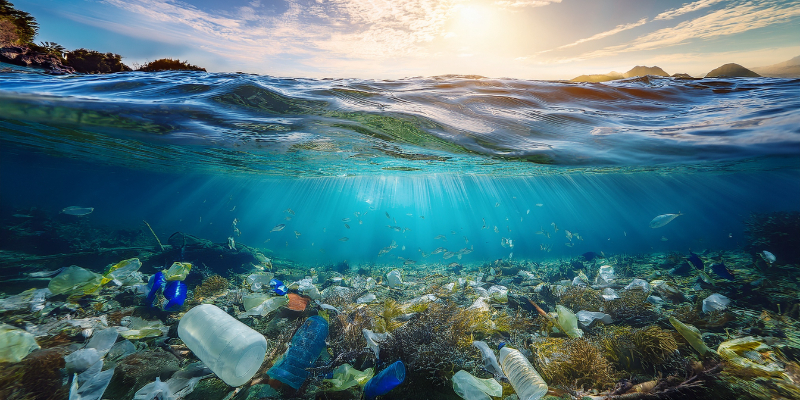
In this part, you'll explore different types of waste and how waste generation and pollution affect biodiversity, ecosystems, and human health. You’ll also examine why waste is a design problem and what organizations can learn from natural systems, where materials remain in circulation.
This part examines why the linear economy creates economic and environmental risks, how circular approaches help organizations retain value, and what circularity looks like across sectors. You’ll also explore the waste management hierarchy and responsible waste management across operations and value chains.
In this last part, you’ll learn how organizations assess, manage, and report on waste, pollution, and circular economy performance. You’ll explore key standards and frameworks (including SDG 12, GRI 306: Waste 2020, TNFD pollution metrics, ESRS E5, and SASB sector guidance), and see how reporting supports accountability, decision-making, and the transition to more circular and resilient business models.
Who is this course designed for?
This course is designed for sustainability professionals, reporting practitioners, operations and procurement teams, consultants, and decision-makers interested in circular economy, waste management, pollution, and sustainability reporting.
What will you achieve?
When you have completed this course, you will be able to:
Pre-requisites
There are no pre-requisites for this course.