
Global experts align on urgent need for transparency on pollution impacts
Published date: 19 May 2026
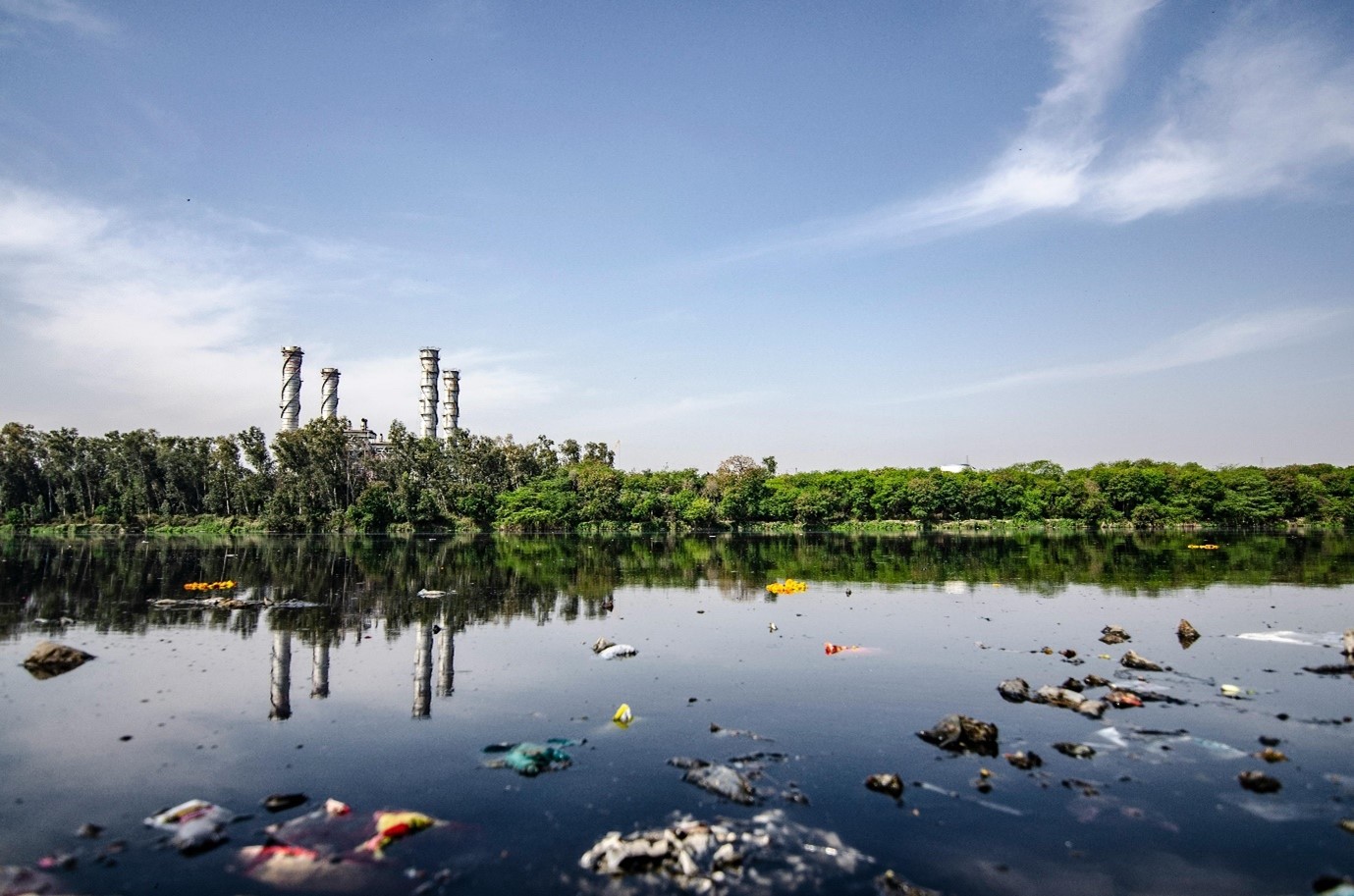
Shaping new pollution standards: Three stakeholders make the case for reporting that drives accountability and informed decisions
Pollution is rarely experienced as a single issue. It encompasses impurities in the air of our cities, chemicals moving through value chains, contaminated soil affecting food production, or industrial incidents with lasting consequences for people and the environment.
Increasingly, impacts such as these are also a business, financial and governance issue – one that companies are increasingly expected to understand, manage and communicate more transparently. This reality is reflected in plans for new GRI Pollution Standards, with a consultation underway for exposure drafts on air pollution, soil pollution, and critical incidents.
The broad and interconnected nature of pollution impacts is also evident in the composition of the independent working group, convened by the Global Sustainability Standards Board (GSSB). This 20-member multistakeholder group includes voices from science, business, finance, policy, and civil society – contributing fresh perspectives to shape the development of the revised GRI disclosures on pollution.
Angela Pinilla, Founder of Greenvolve Strategies, leads the Chemical Footprint Industry Commitments Working Group, convened by the UN Environment Programme. She signals why these GRI Standards need to reflect strong alignment between scientific knowledge and business practice:
“Working across non-profits and global initiatives on chemicals management, I’ve seen how difficult it can be to align scientific knowledge, policy expectations, and business practices. Companies are engaging more on these issues but approaches to measuring and managing impacts are still inconsistent. Greater clarity on emissions and chemicals management, as proposed in GRI’s upcoming Standards on pollution, can help organizations make more informed decisions and engage more effectively with stakeholders across value chains.”
Joel Carboni, Founder and President of Green Project Management, highlights the importance of integrating pollution management into core business processes:
“Organizations don’t struggle with ambition, but often they do with execution. Pollution is too frequently handled in silos, instead of being built into how projects are designed, delivered, and measured. What makes GRI’s new approach to pollution reporting valuable is its focus on structure and integration. It gives companies a more practical way to connect impacts with performance, and that’s what ultimately drives real, measurable progress.”
For investors, transparency on pollution is increasingly important for ensuring companies achieve both value and resilience. Caroline Boden, Director of Shareholder Advocacy at Mercy Investment Services, explains:
“From an investor perspective, pollution is closely linked to long-term risk. What matters is understanding which companies are actively managing these impacts on people and planet and which are not. A stronger, more standardized approach to disclosure can support that, helping investors make better-informed decisions and direct capital toward more responsible and resilient business practices. That's what we aim to achieve with GRI's new Pollution Standards.”
While coming from different contexts, all of these working group member views align on one truth: addressing pollution impacts requires a more connected and holistic approach, with high-quality and comprehensive corporate reporting a key part of the solution.
The public comment period for the new and revised GRI pollution disclosures is open until 8 June 2026. All global stakeholders are encouraged to provide input, by completing the surveys for any or all of the three exposure drafts.